
How to Keep Your Camera Equipment Safe When Travelling
If you’re travelling with camera equipment soon and are feeling anxious about the safety of your hard-earned kit, this article is for you.
We’ve researched the full range of possible mishaps and mistakes — from planning to returning — so that your camera stays protected against theft and damage anywhere in the world.
Take a look through and find plenty of safe travel tips and pointers that might come in handy, too.
Before you go
Planning
You need to really think about where you’re going when you’re travelling with camera equipment. Before you start packing and making any arrangements, ask yourself:
- Where am I staying? Are you sharing a room in a hostel? Will you have your own safe in a decent hotel? Does the accommodation have good reviews and is it in a nice part of town?
- What is my on-set environment? Will there be a lot of dust, dirt or sand? Are you filming in or close to water? Is it far from your base?
- How am I going to travel around? Are you hiring a personal car? Taking taxis? Hopping on and off buses or trains?
- What is the local climate? Very hot and dry? Possible sub-zero temperatures? High humidity?
These answers have a huge impact on what kit you need to bring, how you should carry it and which extra products you need to keep your camera safe from theft and damage. Make sure you know, so you can pinpoint the info you need as your read on.
Checks and insurance
It’s crucial to get all your camera gear insured and to make a note of each serial number on your equipment in case of theft. We suggest thoroughly going over all of your filming gear for damage, so that you know for certain that any scrapes and breakages happened after you left. Make sure you take photos of your camera in its perfect, pre-travel condition so the insurance company knows this, too.
Bag type
(Most of) the success or failure of travelling with camera equipment rides on your bag choice.
-
- If it’s too big and bulky, it’s clumsy and inconvenient to carry.
-
- If it’s too small, you might lose or smash your gear.
-
- If it’s not secure, someone could easily steal from it.
- If it’s not strong enough, it was pointless anyway.
Backpacks; often one of the more comfortable bags for carrying heavy kit as the weight is evenly distributed. However, they can be easy for thieves to get at without you noticing.
Shoulder bags; quite a discreet option and you have the bonus of your valuable gear being in view and at your side. But it might mean a few pulled muscles in one shoulder unless you swap sides routinely.
Hard camera cases and pelican cases; these are strong, durable and ideal for using with padlocks for security. They easily keep all moisture, dust and sand off your kit, but are quite awkward to carry and heavy to transport.
If you’re not sure what weather and location to expect, the essentials of a decent camera bag that will see you through anything is something strong, spacious, durable, and waterproof.
Lots of extra padding and a tripod strap is handy (if you’re bringing a tripod, of course). If you get a duffel bag, make sure it’s one with a solid rubber base to stop it rolling when you put it down and prevent water damage from wet ground. You’re probably bringing smaller pieces of kit and lots of camera accessories, so plenty of secure compartments in your camera bag is ideal for keeping these together.
Last-minute packing tips
-
- Take silica gels to place in your camera case or bag for moisture control if you’re heading somewhere with a lot of rain or humidity.
-
- Wrap each camera part in bubble wrap for extra protection.
-
- Take multiple memory cards in case of loss or theft.
-
- Don’t overload your bag.
-
- Hide camera/camera case branding. You might be proud of your high-quality gear, but so would a thief. Put a small strip of duct tape over any branding to make your equipment a little less desirable.
-
- Separate the lens from your camera. Don’t pack them still attached. If your bag is dropped or kicked, there’s a greater chance of the camera breaking off at the lens mount if it’s still attached. This can cause damage to the threads that hold the lens to the camera.
- Take a few padlocks to make sure nobody gets in your bag but you. You can even use them at the hotel if there’s no safe.
At the airport or station
It might be hard, but try travelling with your camera equipment as much as possible. So, don’t check your camera bag if you can avoid it and put it under the seat in front of your while on buses, planes and trains.
For times when you do need to check your equipment, divide your gear into ‘can take rough handling’ and ‘definitely can’t take rough handling’. Obviously, check the durable items and take the more fragile gear with you.
During travel
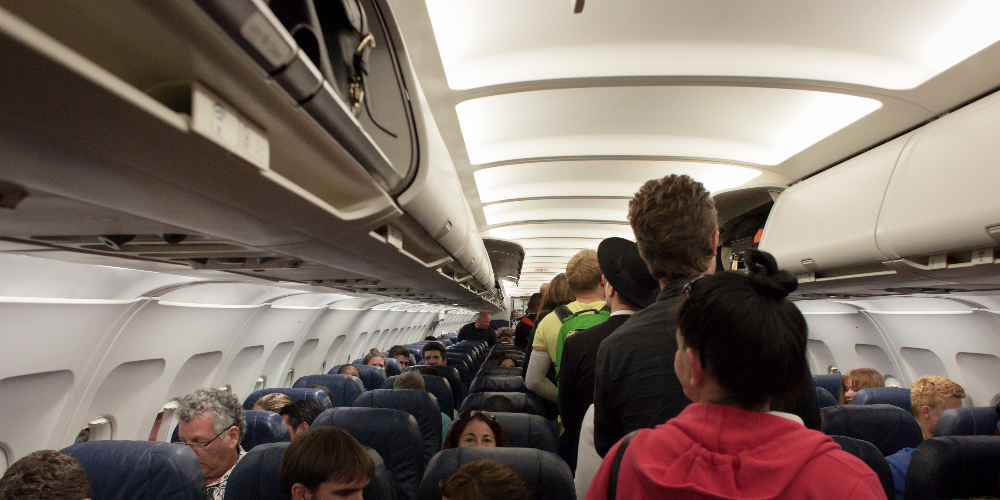
To protect your camera from smashes and breakages, try not to put it in the overhead compartment and place it in front of you instead. Bags tend to move around a lot during transport and your camera could fall out once the overhead hatch is reopened.
Also goes without saying, but keep an eye on your camera bag as much as you can. If it’s a long journey, put the bag strap around you when you sleep.
Heading to your destination
You might think you’re on the home straight, but keeping your camera safe doesn’t stop yet. Or at all, in this article. Once you’ve landed, showed your passport and hoisted your bags off the conveyor belt; scan your gear to make sure no damage has taken place in transit.
If everything’s in order, keep your kit secure and together using one of the airport trolleys, so you don’t put anything down and leave it. Find your bus, taxi or shuttle and make sure that all your camera bags and equipment are loaded into the vehicle before you get on. The driver doesn’t know what you have in your bags, so it’s worth checking that the breakable gear isn’t underneath the more sturdy equipment, too.
Out and about
Now you’ve arrived at your accommodation and checked in, it’s time to get a feel for your surroundings. Whether it’s a work trip or a holiday, don’t hold back from taking your camera out with you. You just need to be vigilant, as you probably are in any new place.
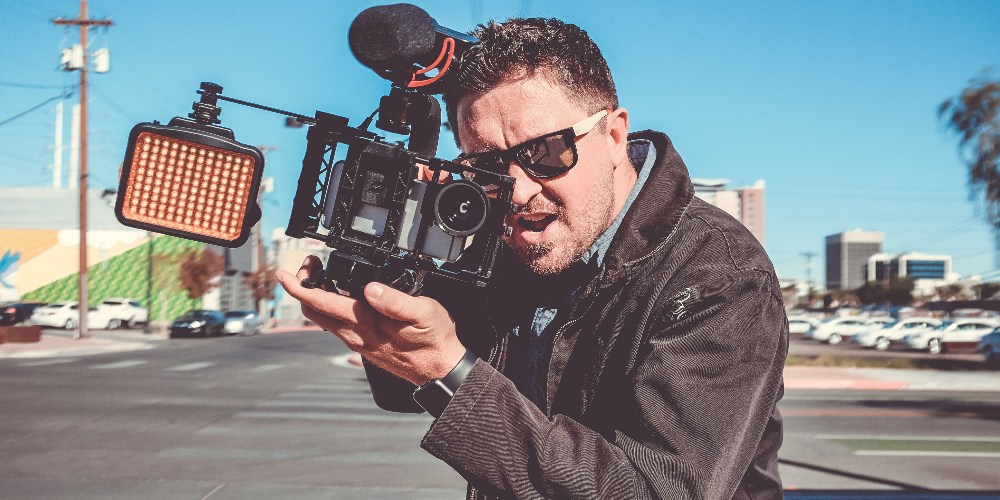
Try not to get distracted doing crowd or street shots, as locals might rush into you causing you to drop your camera. A good way to keep an eye out for people walking behind you is using your camera’s LCD display. This means you have a view of both your shot and your surroundings. For a slick, all-round look; pan your camera as if you’re filming to prevent your vigilance from looking too obvious. We also advise you to wear a camera strap, so it can’t be snatched from your hands during use.
Once you’re back in the hotel, it’s a good idea to place your camera and lenses in their bags. Filming and photography equipment is sensitive to heat and cold, so this keeps their internal temperature constant and allows them to warm up or cool down more steadily.
On set
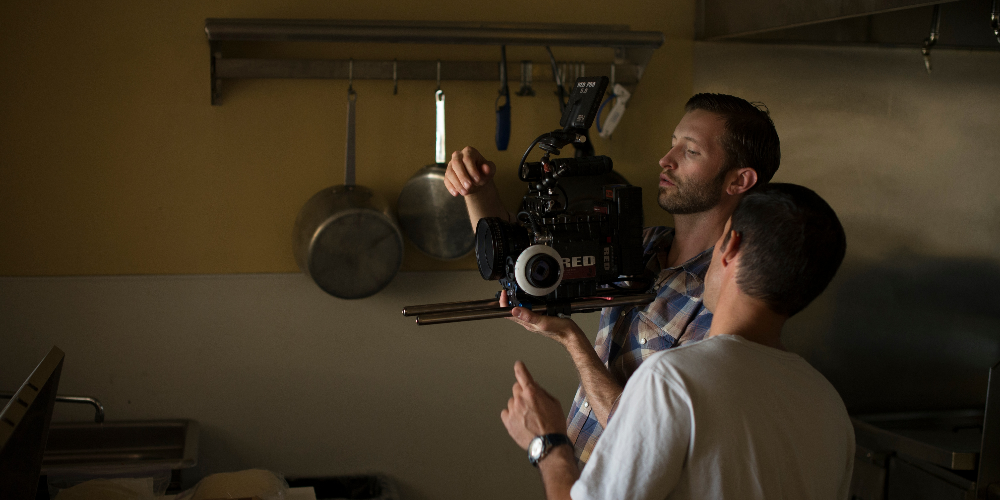
Not as much about travelling with camera equipment, but still part of the experience. There are plenty of things to bear in mind when it comes to maintaining safe and protected camera equipment when you’re on set and location.
-
-
- Make sure to backup your data regularly; there are lots of backup drives available that you can use without a computer.
-
-
-
- Take along rain coats and plastic casing for your gear; not only does this protect it from moisture in the air, but it’s also handy for extra water protection when it’s in your camera bag.
-
-
-
- Most cameras are designed to work at their best between 0-40°C. Leave your filming equipment in the shade when not in use during hot and sunny shoots and secure them in a padded bag if they’ve been filming in extreme cold.
-
-
- Make sure the legs on your tripod are tight and secure; if just one leg fails, your camera could get smashed or soaked beyond repair.
- If your shoot is in a very cold location, carry heat packs wrapped in paper (don’t put directly against your camera) and gently heat up your equipment as soon as it’s stored away.
- Clean your camera often to stop dust, dirt and sand getting into the lens. Camera lenses aren’t airtight, so use a soft cloth to gently clean your camera and keep a towel on you so you can dry off any sweat or condensation.
Maintain this level of care for your camera on your return journey and we’re sure everything will come back safely. Now we’ve covered what you need to do, take a look at our range of camcorder bags and cases, rain covers and camera gloves, straps and accessories, and equipment cases for ideal transporting equipment.
Comments are closed here.